The MAONO PD100 XLR Podcast Microphone review is for creators who want a straightforward XLR setup for spoken voice, streaming, or home recording.
Its dynamic capsule, cardioid pickup, pop filtering, and included desktop hardware make it a focused starting point for a desk-based studio.
MAONO PD100 Review Summary
The quick verdict
800+ ratings
Read Amazon ReviewsMAONO PD100 XLR Podcast Microphone
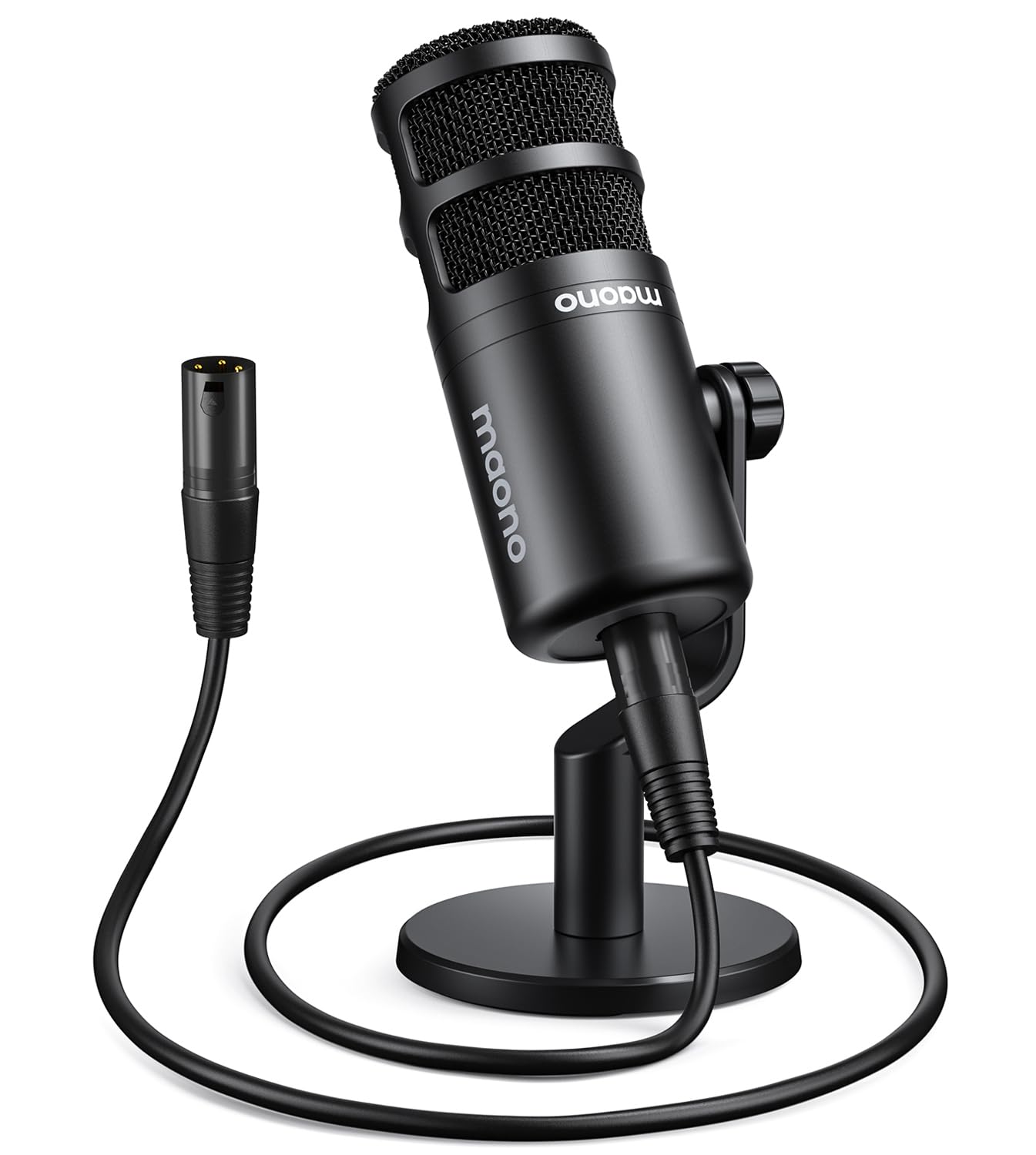
A practical fit for podcasters and streamers who want a dynamic XLR mic with a desktop stand, cable, and basic positioning hardware in one set.
- Dynamic XLR microphone with a cardioid pickup pattern and top-addressed speaking position.
- Built-in dynamic core and inner double-layer pop filter intended to attenuate plosive sounds.
- Specified frequency response of 60 Hz–14 kHz for voice and recording applications.
- Metal body in a compact desktop format, supplied with a stand and heavy circular metal base.

Pros
- Includes the microphone, desktop stand, base, extender, and XLR cable as a ready-to-assemble starting package.
- Cardioid pickup and an internal double-layer pop filter are relevant to close spoken-word recording.
Consider before buying
- XLR use requires a compatible interface, mixer, or sound card, so the microphone is not a complete connection solution by itself.
- The included desktop stand gives a fixed tabletop arrangement; check that its height and placement suit your posture and desk before relying on it.
Read the full review summary
The PD100 combines a top-address dynamic microphone with a compact metal body, a built-in double-layer pop filter, and a cardioid pickup pattern.
Its 60 Hz–14 kHz frequency response is described as balanced for voice, while the included stand, rod extender, circular base, and XLR cable make the package usable without sourcing those basics separately.
It is aimed at people who already use, or plan to add, an audio interface or mixer with an XLR input.
The fixed desk stand and cable connection favor a stationary recording spot; creators who need direct computer connection or easy movement around a room should compare their connection and mounting needs before choosing.
The buying factors
MAONO PD100 Scorecard
Editorial scores reflect listed features and buyer fit; they are not laboratory measurements or customer ratings.
Voice recording focus
The dynamic capsule, cardioid pattern, and built-in pop filter are a sensible combination for close spoken-voice work.
Connection flexibility
XLR supports use with an interface, mixer, or compatible sound card, but the stated setup depends on external recording equipment.
Included desk hardware
The package includes a stand, extender, heavy circular base, and XLR cable, covering several initial setup needs.
Positioning options
The extender brings the mic closer, and the stand has 5/8-inch and 3/8-inch threads for compatible mounts.
Portability and footprint
The compact metal microphone and desktop format suit a small fixed recording area, though the base still occupies desk space.
Use-case range
The stated applications include podcasting, streaming, vocal recording, voiceover, music, and other content creation.
Key Features and Specifications of MAONO PD100
- Dynamic XLR microphone with a cardioid pickup pattern and top-addressed speaking position.
- Built-in dynamic core and inner double-layer pop filter intended to attenuate plosive sounds.
- Specified frequency response of 60 Hz–14 kHz for voice and recording applications.
- Metal body in a compact desktop format, supplied with a stand and heavy circular metal base.
- Included 2.36-inch rod extender to raise or bring the microphone closer within the desktop setup.
- 5/8-inch and 3/8-inch mounting threads, plus a 6.56-foot XLR cable.
Pros and Cons of MAONO PD100
Pros
- Includes the microphone, desktop stand, base, extender, and XLR cable as a ready-to-assemble starting package.
- Cardioid pickup and an internal double-layer pop filter are relevant to close spoken-word recording.
- Metal construction and a compact form suit a dedicated desk setup.
- Standard 5/8-inch and 3/8-inch threads can simplify fitting compatible microphone hardware.
Consider before buying
- XLR use requires a compatible interface, mixer, or sound card, so the microphone is not a complete connection solution by itself.
- The included desktop stand gives a fixed tabletop arrangement; check that its height and placement suit your posture and desk before relying on it.
- Its specified frequency range is voice-oriented, so buyers seeking a broader stated range for varied recording needs may prefer to compare alternatives.
Who Should Buy MAONO PD100?
Good fit
Consider the PD100 if you are setting up a solo podcast, streaming desk, or home voiceover corner and already have an XLR input available.
The included cable and desktop hardware reduce the number of basic accessories to source, while the cardioid pattern and pop filter support a close, front-facing speaking style.
Its top-addressed design means you speak toward the top of the microphone, so plan your placement around that orientation.
The rod extender may help bring it closer, and the threaded mount offers another route to compatible stand hardware if the supplied desktop arrangement does not put the mic where you want it.
Before buying, confirm that your recording chain has the XLR connection you intend to use and enough room for the circular base.
If you want a different stand arrangement, check the thread compatibility and the reach of your planned mount.
Who should skip it
Skip this model if you need a microphone that connects directly to a computer without an audio interface or mixer.
The supplied design is XLR-based, so it suits buyers who are comfortable building their recording chain around that connection.
Look elsewhere if your priority is a boom-arm position or handheld use rather than a desktop stand. The product is supplied as a desk-oriented set, and the description does not establish those use arrangements.
What the MAONO PD100 Means for a Desk Recording Setup
A close-voice design with a defined speaking side
The cardioid pattern is intended to favor sound from the front, and the microphone is meant to be addressed from the top.
For a solo host, that gives a clear placement cue: point the speaking end toward yourself and keep the mic close enough for a consistent voice position.
The internal pop filter addresses plosive attenuation, which is useful when speaking near a microphone.
XLR makes the rest of the signal chain part of the decision
The PD100 connects through XLR, so the interface, mixer, or sound card is part of the setup rather than an optional extra.
That can suit a creator building a home recording chain, but the actual connection experience depends on the equipment already on the desk. Check the input type and cable route before settling on the mic.
The included stand favors a permanent desk spot
The base and stand provide a self-contained tabletop arrangement, while the short extender can adjust where the microphone sits relative to the speaker. This is useful when a dedicated desk position matters more than a long reach.
If you record around a keyboard or share a small desk, confirm the base footprint and whether the speaking end can be placed comfortably.
Voice range over broad specification claims
The listed 60 Hz–14 kHz response frames the PD100 as a voice and content-creation tool. Paired with the cardioid pattern and pop filter, the feature set points toward podcasting, streaming, and narration.
Buyers who also plan to record instruments should consider their specific source and desired range when comparing microphones.
Alternatives to MAONO PD100
Multipurpose Dynamic Microphones alternative
12,000+ ratings
Read Amazon ReviewsFIFINE AmpliGame AM8 USB/XLR Dynamic Microphone
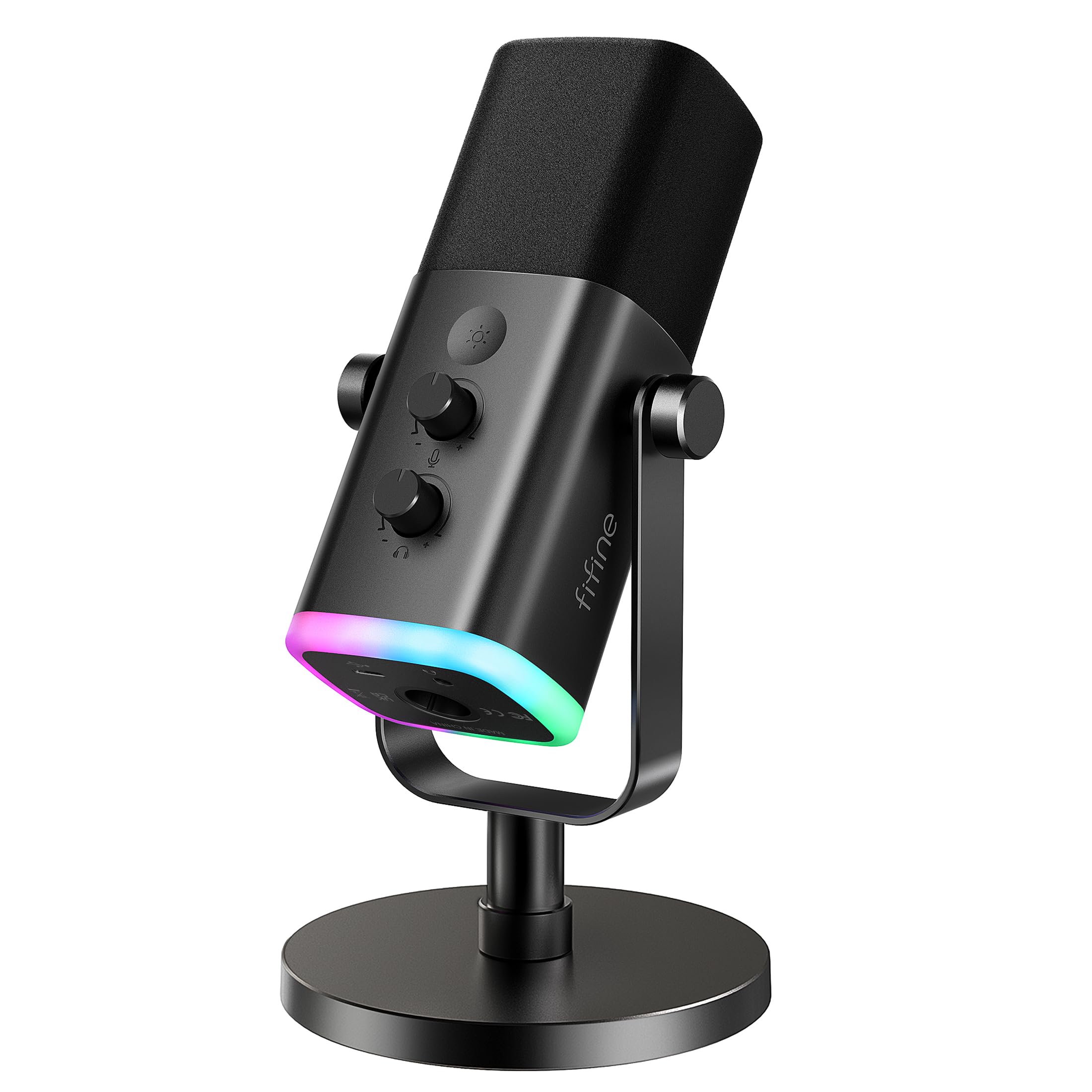
Choose the PD100 for a simpler XLR-centered desk set with its cable and stand included. The AM8 is a better fit if you want the option of USB computer connection and its onboard controls when using USB.
- The FIFINE AM8 offers both USB and XLR connections.
- Its USB mode includes a mute control, headphone jack, gain control, and RGB lighting; those functions are inactive in XLR mode.
- The MAONO PD100 is an XLR-only dynamic microphone supplied with a desktop stand, base, extender, and cable.
Multipurpose Dynamic Microphones alternative
5,000+ ratings
Read Amazon ReviewsSamson Q2U USB-C/XLR Microphone
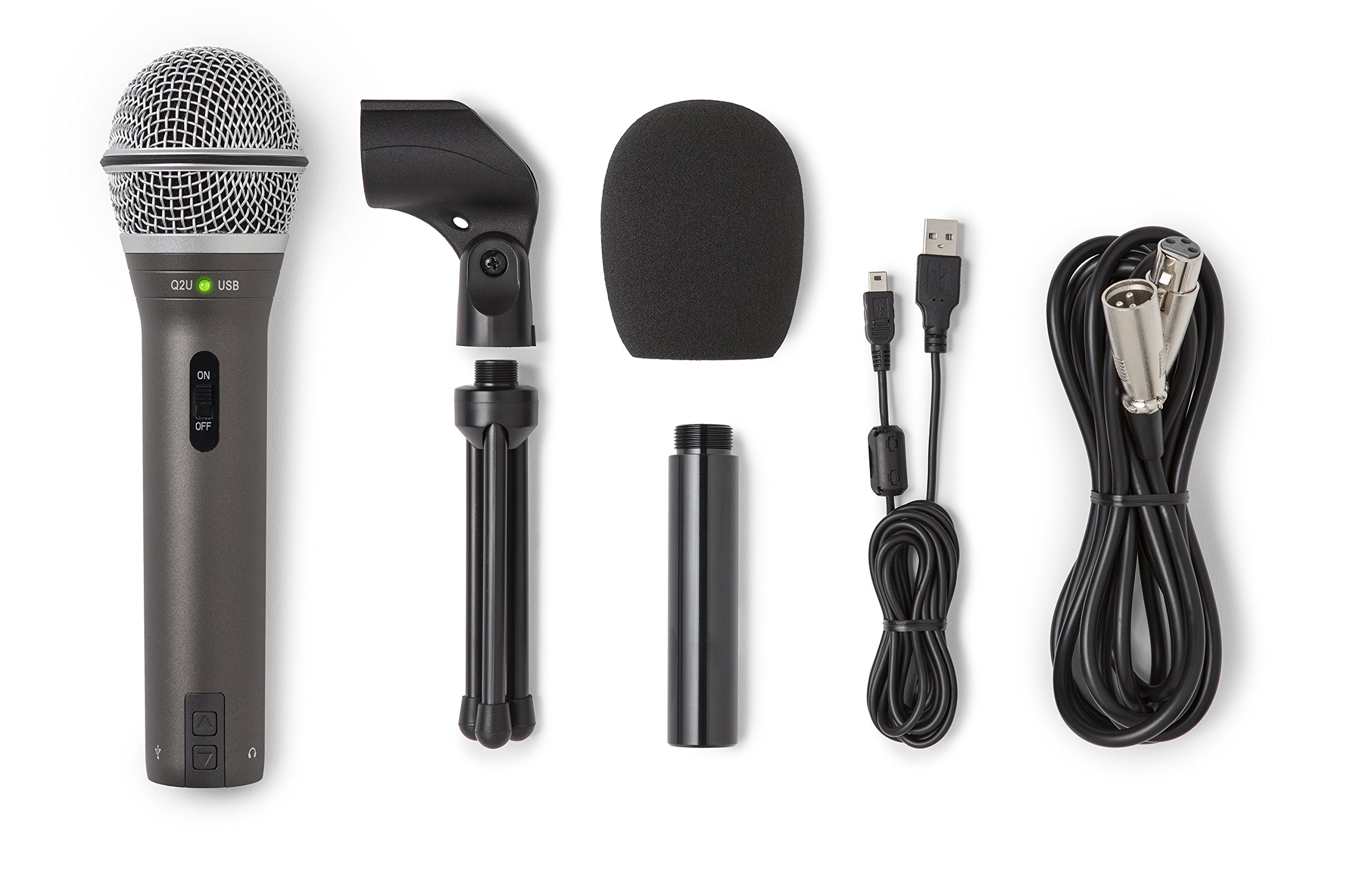
The PD100 suits someone who wants the supplied compact desktop arrangement and plans to record over XLR. Consider the Q2U if having both USB-C and XLR connections, or a handheld form, better matches your recording routine.
- The Samson Q2U is a handheld dynamic microphone with USB-C and XLR connections.
- Its supplied pack includes a tripod desktop stand, extension, mic clip, windscreen, USB-C cable, and XLR cable.
- The PD100 centers on a desktop stand and XLR connection for a stationary recording setup.
Is MAONO PD100 Worth It?
The MAONO PD100 XLR Podcast Microphone is worth considering as a desk-based starter set for podcasting, streaming, and voiceover when you already have an XLR input in your recording chain.
Its dynamic cardioid design, built-in pop filter, compact metal body, and included stand and cable make the setup straightforward to plan.
Buy it if a top-addressed desktop mic fits your posture and workspace. If you need direct USB connection or a different mounting arrangement, compare models built around those needs before choosing.
Your review at a glance
800+ ratings
Read Amazon ReviewsMAONO PD100 XLR Podcast Microphone
A practical fit for podcasters and streamers who want a dynamic XLR mic with a desktop stand, cable, and basic positioning hardware in one set.
- Dynamic XLR microphone with a cardioid pickup pattern and top-addressed speaking position.
- Built-in dynamic core and inner double-layer pop filter intended to attenuate plosive sounds.
- Specified frequency response of 60 Hz–14 kHz for voice and recording applications.
- Metal body in a compact desktop format, supplied with a stand and heavy circular metal base.